


-

Add: HeBei ShengShi HongBang Cellulose Technology CO.,LTD.
-

Email
13180486930@163.com -

CONTACT US
+86 13180486930


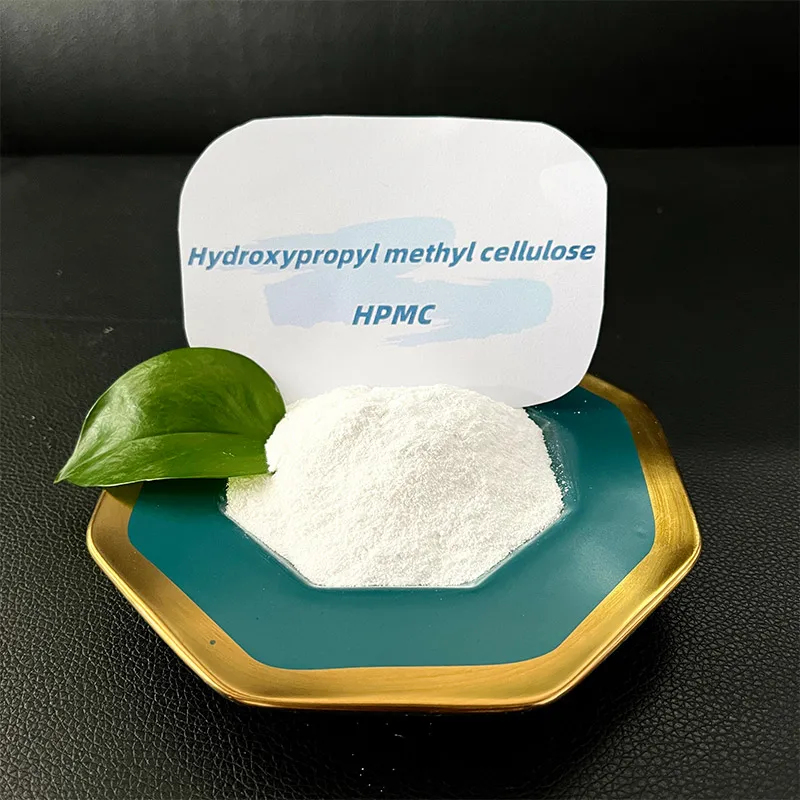


For companies in the pharmaceutical, construction, and food industries, a dependable source of Hydroxypropyl Methylcellulose (HPMC) is crucial. HPMC, a versatile polymer, serves as a key ingredient in many industrial applications. Decoding the journey of becoming an adept HPMC buyer opens numerous opportunities, yet it requires profound understanding and vigilance. The landscape of HPMC suppliers can be complex, with variations in quality and production standards. Establishing relationships with reputable suppliers should be a priority for any company. Firstly, it's essential to evaluate the supplier's consistency in delivering high-grade HPMC. A qualified supplier not only provides certifications but also abides by the regulations of international standards such as ISO. This indicates their commitment to maintaining quality, thereby building trust. Discerning HPMC buyers often start with thorough research. Resources such as industry journals and digital platforms can offer insights into different grades and types of HPMC available. It is beneficial to compare technical specifications across suppliers to understand the best fit for your application's needs. Additionally, reaching out to industry professionals for endorsements can enhance supplier credibility, bolstering confidence in your selection. In terms of expertise, having a seasoned purchasing team is pivotal. A team well-versed in HPMC's properties and applications can identify the right type of product required for specific processes—whether it’s for its thickening, emulsifying, or binding properties. Regular training workshops and exposure to new industry developments are instrumental in maintaining cutting-edge knowledge and expertise. Experience in handling HPMC procurement involves a strategic balance between demand forecasting and supply chain management. Successful buyers invest in robust supply chain systems that allow precise demand anticipation, ensuring that production isn’t stalled by unexpected shortages. These systems can also facilitate smooth communication channels between suppliers and buyers, essential for navigating market fluctuations. Another aspect critical to being an authoritative HPMC buyer is sustainability. Engaging with suppliers that prioritize environmentally friendly production processes not only helps in meeting corporate social responsibility goals but also resonates with today’s environmentally-conscious consumers. Opt for suppliers who demonstrate transparency in their supply chains, thus allowing for traceability, which is a growing demand in global markets. hpmc buyer The decision-making process extends beyond just the product . Negotiate contracts with clear terms regarding delivery schedules, return policies, and contingencies for delays or defects. An authoritative buyer will ensure these contracts also include clauses for scalability as needs evolve, providing flexibility for future growth. Building a trustworthy reputation in HPMC procurement also involves leveraging technology. Investing in digital procurement tools can streamline operations, reduce errors, and improve analytics, offering insights that shape informed decision-making. Additionally, these tools provide real-time updates, enhancing the buyer’s ability to adapt promptly to market changes or unforeseen circumstances. Ensuring reliability also pertains to post-purchasing services. Engage suppliers who offer comprehensive support, including technical advice, troubleshooting, and training to maximize the product’s utility. Establishing such partnerships allows for continuous improvement and innovation in resource utilization. Security is another indispensable element. Protect your enterprise by using secure systems for financial transactions and supplier communication, shielding it from cyber threats. Strong data protection protocols enhance trust within the buyer-supplier relationship and safeguard corporate interests. Ultimately, the quest to become a distinguished HPMC buyer is ongoing. Continuous market analysis, investment in expertise, and embracing technological advancements are key strategies for sustaining authority and trustworthiness in the field. As industries evolve, so should your procurement strategies, ensuring that not only does the product meet technical specifications but also aligns with broader business goals and aspirations. The journey of an HPMC buyer transcends beyond purchase—it encapsulates a commitment to quality, sustainability, and strategic growth.
- 40000tons

Production
- 20+years

Experience
- 5000+㎡

Acreage

-
Hydroxypropyl Methylcellulose (HPMC) is gaining significant attention in the vegan and plant-based product sectors due to its versatile applications and alignment with consumer preferences for cruelty-free and sustainable products. As an industry expert with extensive experience in SEO optimization, understanding the nuances of promoting such vegan-friendly products online is instrumental for visibility and market success. HPMC, a plant-derived cellulose ether, is extensively utilized in food, pharmaceuticals, and cosmetic industries. Its derivation from natural sources, like wood pulp or cotton linters, ensures that it caters to the increasing demand for non-animal-based ingredients. Furthermore, being inherently non-toxic, biodegradable, and free from animal derivatives positions HPMC as an ideal choice for vegan product formulations, resonating with the ethical stance of conscious consumers. In enhancing online visibility for products containing HPMC, actual first-hand experiences provide an authentic narrative. For instance, numerous vegan product developers recount how incorporating HPMC improved texture and stability in products like vegan mayonnaise or dairy-free yogurts. The substance's film-forming capabilities and its ability to stabilize emulsions enhance mouthfeel and prevent phase separation, critical to consumer satisfaction. A culinary expert might highlight their successful experimentation with HPMC in creating a vegan whipped topping that retained its form without the use of gelatin or dairy, thus catering to both vegan and lactose-intolerant clientele. Specialists in food technology elaborate that the water retention properties of HPMC also prolong the shelf life of baked goods, an essential consideration for manufacturers aiming to reduce food waste. For example, vegan bread and pastries maintain moisture and softness longer, reducing spoilage and ensuring consistent quality even days after production. These insights not only showcase the ingredient's functionality but fortify its perceived value through expertise-driven content. Furthermore, an authoritative viewpoint on the technical aspects of HPMC can be illustrated by engaging with food scientists who scrutinize the ingredient's viscosity and gelation properties. Through experimental validation and peer-reviewed studies, they demonstrate how subtle modifications in HPMC concentration can tailor product consistency, catering to various textural preferences across different cuisines and cultures. This level of detail assures prospective manufacturers of the ingredient’s adaptability to a wide range of culinary applications, fostering confidence and trust. hpmc vegan Trustworthiness is also reinforced through transparency in sourcing and ecological impact. Suppliers adhering to sustainable practices in the production of HPMC can leverage this as a key differentiator . Documented supply chain accountability, certifications for responsible sourcing, and commitment to reducing carbon footprints resonate with environmentally conscious consumers, creating a trustworthy brand image. Incorporating this information within an SEO-optimized framework involves strategic use of keywords, authentic storytelling, and linking to reputable sources that validate claims. s and meta descriptions should succinctly reflect the vegan appeal and the technical benefits of HPMC, drawing potential customers into an immersive exploration of the product’s potential. Furthermore, implementing schema markup can help search engines crisply understand and present this content, enhancing click-through rates from search result pages. Engaging multimedia content such as tuturorial videos or infographics can also provide step-by-step guidance on HPMC integration in vegan formulations, further enhancing user engagement and reducing bounce rates. Such diverse content approaches ensure that the webpage appeals to a wide audience, from lay consumers interested in plant-based diets to industry professionals seeking to refine their product offerings. Ultimately, positioning HPMC as a valuable asset in vegan product development requires a concerted effort to communicate its benefits compellingly and authentically. Through a combination of personal anecdotes, expert insights, authoritative data, and trustworthy practices, the online presence of HPMC vegan products can be significantly bolstered, driving both awareness and adoption in a market eager for innovation and ethical integrity.
-
Hydroxypropyl methylcellulose (HPMC) , with a concentration of 0.3%, is becoming an increasingly popular component in a range of products, due to its unique properties and versatile applications. This polymer offers extensive benefits in various industries including pharmaceuticals, cosmetics, and food production, proving its worth time and again for professionals looking to maximize product quality and performance. In the pharmaceutical realm, HPMC at a 0.3% concentration is frequently utilized as an excipient and a controlled-delivery component. Known for its excellent film-forming properties, it serves as an efficient coating agent for tablets, ensuring safe ingestion and effective delivery of medication. Furthermore, its non-toxic, non-irritant nature makes it an ideal candidate for ophthalmic solutions. Professionals in the industry often capitalize on HPMC's ability to stabilize eye drops and artificial tears, enhancing lubrication and patient comfort due to its viscoelastic properties that mimic natural tears. The precision and consistency provided by a 0.3% concentration ensure reliability in sensitive applications where efficacy and safety are paramount. HPMC's value extends beyond pharmaceuticals into the realm of cosmetics, where it plays a crucial role in product formulation. As a viscosity enhancer, it is employed in creams, lotions, and gels to achieve the desired texture and stability. Its film-forming ability further contributes by creating a protective barrier on the skin, locking in moisture, and enhancing the appearance of a smooth, hydrated complexion. Those with expertise in cosmetic formulation appreciate its versatility, as it enables the creation of products that are gentle on the skin, while still effective in delivering active ingredients. With growing consumer demand for reliable and science-backed cosmetic solutions, HPMC at a 0.3% concentration is steadily gaining traction. hydroxypropyl methylcellulose 0 3 Moreover, the food industry embraces HPMC due to its functional benefits that enhance both product texture and shelf life. As a thickening agent and stabilizer, it is utilized in processed foods, attaching importance to cleaner labels as it is recognized as a safe additive. Its capacity to improve the consistency of products such as soups, sauces, and bakery items speaks to its broad application spectrum. Food technologists value HPMC as it meets consumer expectations for natural ingredients while providing the necessary technological benefits to maintain product quality over time. Across all industries, the consistent performance of hydroxypropyl methylcellulose makes it a cornerstone in the toolkit of product developers. Its biodegradability and non-toxic profile advocate for sustainable and health-conscious production practices—a crucial consideration in today's market. By balancing technical demands with consumer preferences, HPMC at a 0.3% concentration positions itself firmly as an essential component in innovative product development. This reveals not only its utility but also its pivotal role in addressing the dynamic needs of various industries. In summary, the purposeful use of hydroxypropyl methylcellulose at 0.3% elevates product standards across multiple sectors. With its diverse functionality and proven track record, it is a reliable choice for those seeking to enhance product effectiveness while ensuring safety and consumer satisfaction. The scientific community and industry experts herald its continued relevance, solidifying its place as a trusted ingredient now and in the future.
advantages
-

200000 Viscosities
Excellent product
We can produce pure products up to 200,000 viscosities
-

40000 tons
High yield
We don’t stop production all year round, and the annual output can reach 40,000 tons
-

24 hours
Quality service
We provide 24-hours online reception service, welcome to consult at any time
———— Inquiry Form
Schedule A services


-
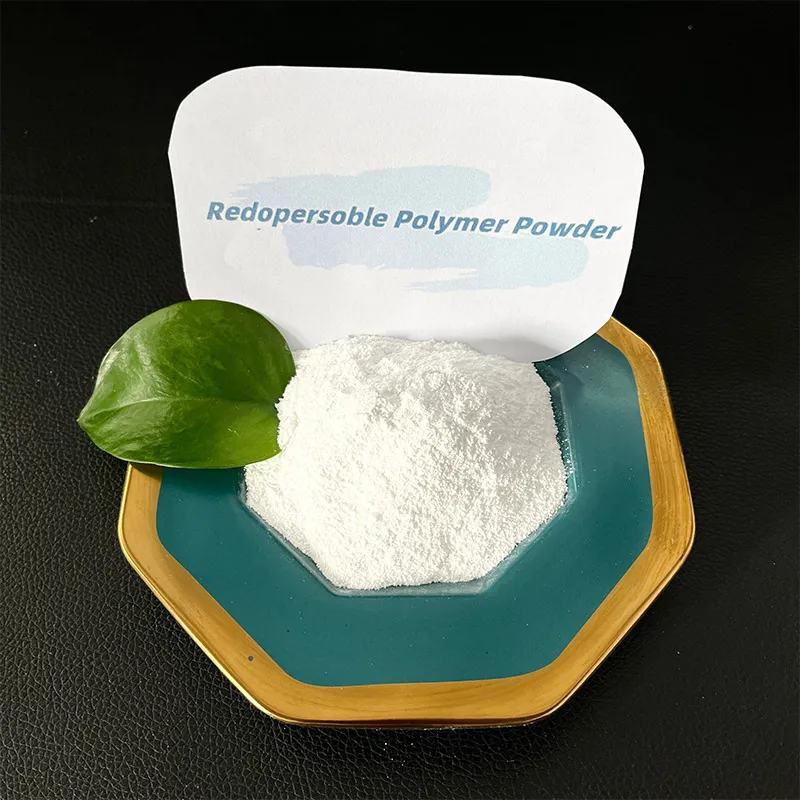 hydroxypropylmethylcellulose_supplier
Oct . 25, 2025
Hydroxypropyl Methyl Cellulose (HPMC) has emerged as a versatile material in various industries, off -
 redispersible_polymer_powder_manufacturers
Oct . 25, 2025
In the pursuit of sustainable and renewable materials, few substances hold as much promise as fibre -
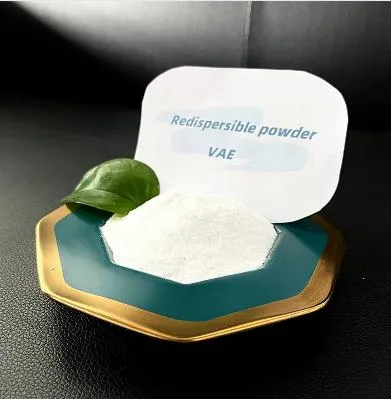 presyo_ng_redispersible_polymer_powder
Oct . 25, 2025
For consumers and industry professionals searching for innovative food additives, sodium hydroxyprop


